
Curt Hollmann
I didn’t build a new me. I uncovered what was always there.
Board Certified Coach | Certified Heroic Coach & Workshop Instructor | Positive Psychology Certification | Former D1 Basketball Player | VP & Team Leader | Father of Five
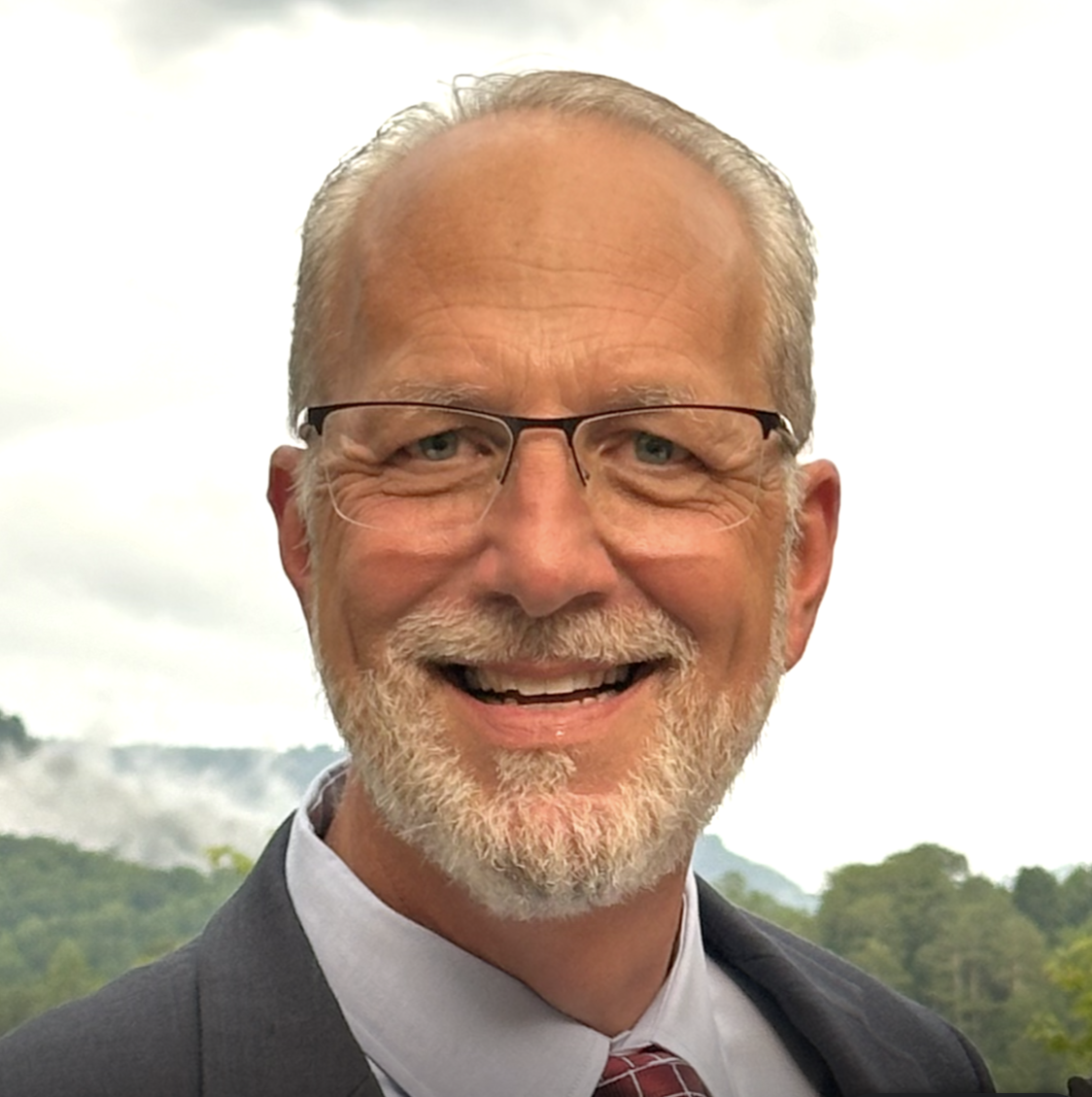
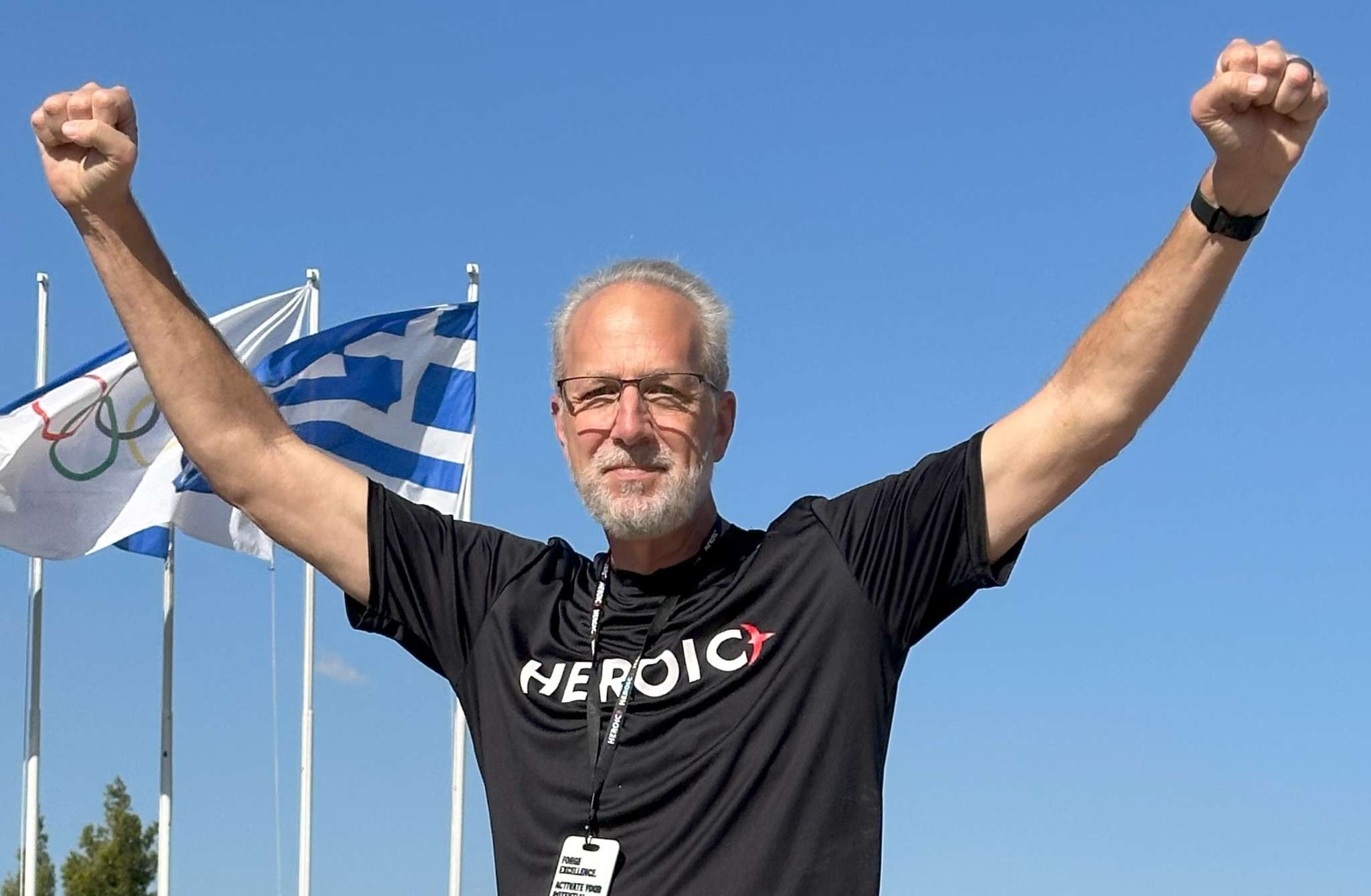
I played Division 1 college basketball. I built a career as a business strategist and team leader, eventually becoming a VP at a consulting firm. From the outside, everything looked right.
From the inside, I was filling a void with alcohol that I'd been carrying since I was a teenager.
I got sober at 53. That's when the real work started. Not a reinvention, but an uncovering.
I trained as a Heroic performance coach, the same science-based methodology adopted by the European Ryder Cup team, Naval Special Warfare Command, West Point, Notre Dame football, the Chicago Bulls, and the Miami Heat. A randomized controlled trial by Dr. Sonja Lyubomirsky showed participants moved from the 53rd to the 70th percentile on the accepted flourishing scale. In 35 years of research, she said she'd never seen results as positive.
I lost 50 pounds. I completed two Spartan Races, the second at 60.
But the performance work was just the beginning. It showed me how to change. The deeper work — the meaning work — showed me why. It changed how I showed up every day.
I went from the boss whose meetings people endured to the boss whose meetings people stuck around after to talk. That might not sound like much. But if you've been the other guy, you know exactly what it means. When a corporate reorg broke us apart, people got emotional. Same company. Same title. Completely different person showing up.
They say the wind extinguishes a candle but fans a flame. The hardest things in my life didn't create who I am — they revealed it. That's what Quiet Fire is. Not loud, not performative. Steady, relational, and deeply human. I work with people who are ready to stop drifting and start uncovering who they actually are.
I still do the work every day. I still get it wrong. I'm not the guy with all the answers. I'm the guy who's been buried and dug himself out — and who knows where the shovels are.

The “Why” behind this mission
What I am seeing
I see people approaching the biggest transitions of their lives — retirement, empty nest, career changes — without ever asking who they want to become on the other side. They've planned for the money. They haven't planned for the meaning.
I see young men drowning in noise and options, performing versions of themselves that don't fit, filling a void they can't name with whatever's in front of them. Nobody's asking them who they actually are.
I see people who look like they have it all — and feel like something essential is missing. Not because anything went wrong. Because they never stopped long enough to figure out what was right.
I know what that feels like. I lived it for 25 years. I also know what happens when you finally stop and start uncovering who you actually are. It changes everything. Not all at once. Not dramatically. Quietly. Like an ember that was always there, waiting for you to notice it.
And here’s why it’s urgent
We are the first generation navigating major life transitions with a supercomputer in our pocket designed to keep us distracted. The retiree scrolling through someone else's highlight reel instead of building his own next chapter. He's got 30 good years left and he's spending them watching strangers pickleball. The young man trying to build real relationships in an age where everyone around him is staring at a screen. The professional filling every quiet moment with noise so she never has to sit with the question she's been avoiding.
AI can simulate connection without requiring any of the vulnerability that makes connection real. Social media gives us the feeling of community without any of the cost. And the algorithms get better at keeping us comfortable every single day. The tools that were supposed to bring us closer are engineering a slow, invisible sense of isolation, and most people won't notice until the silence gets loud enough to hear.
That sense of isolation is not a character flaw. It is the predictable result of living without intentional connection to yourself and the people around you. And it is accelerating.
I've also seen what happens when people stop waiting. It's the best thing I get to watch. That's why I do this work. Because I've seen what happens when people wait - and I can't unsee it.